Rotten Deck Boards Out, Fresh Rebuild Done Right
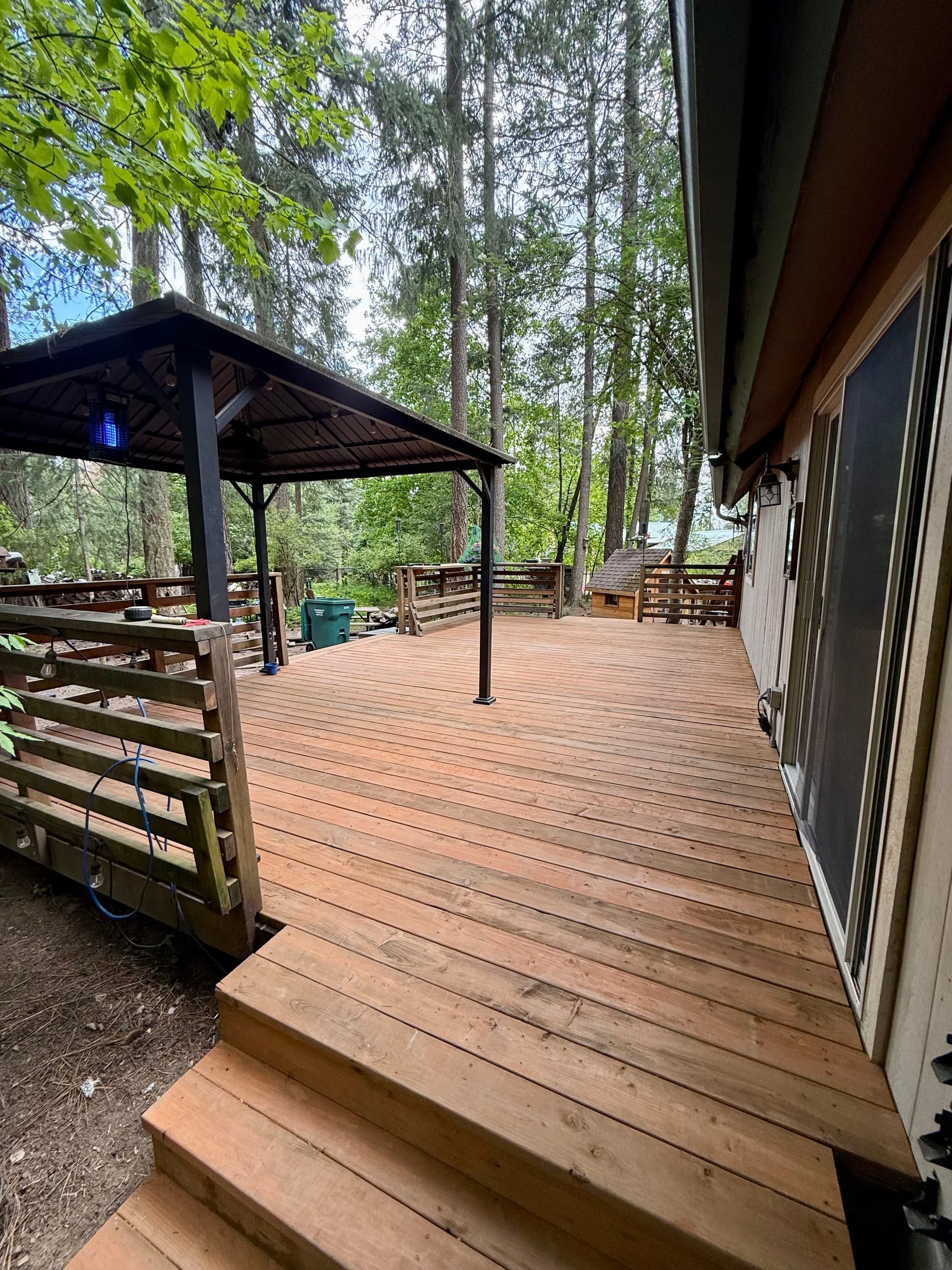
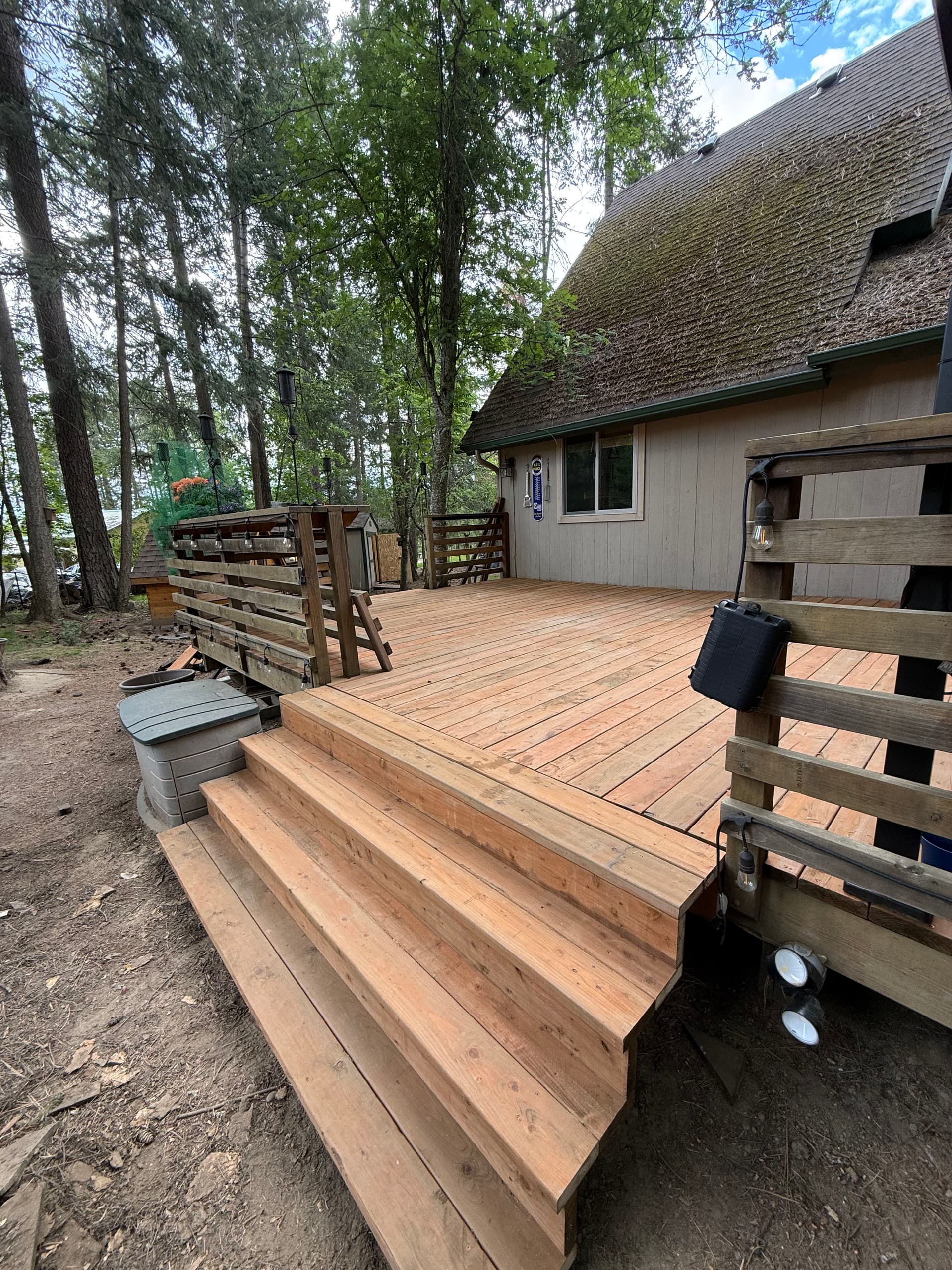
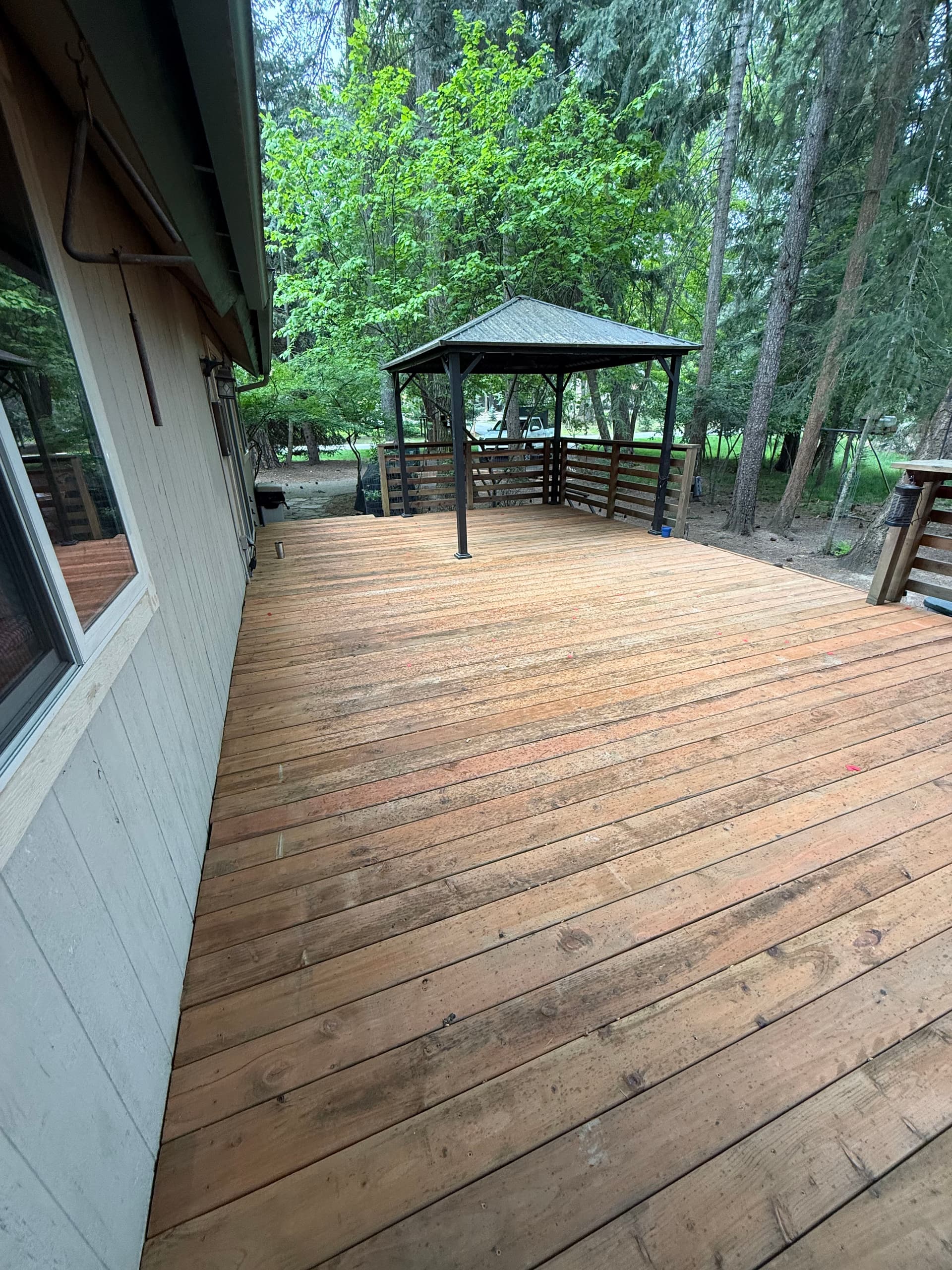
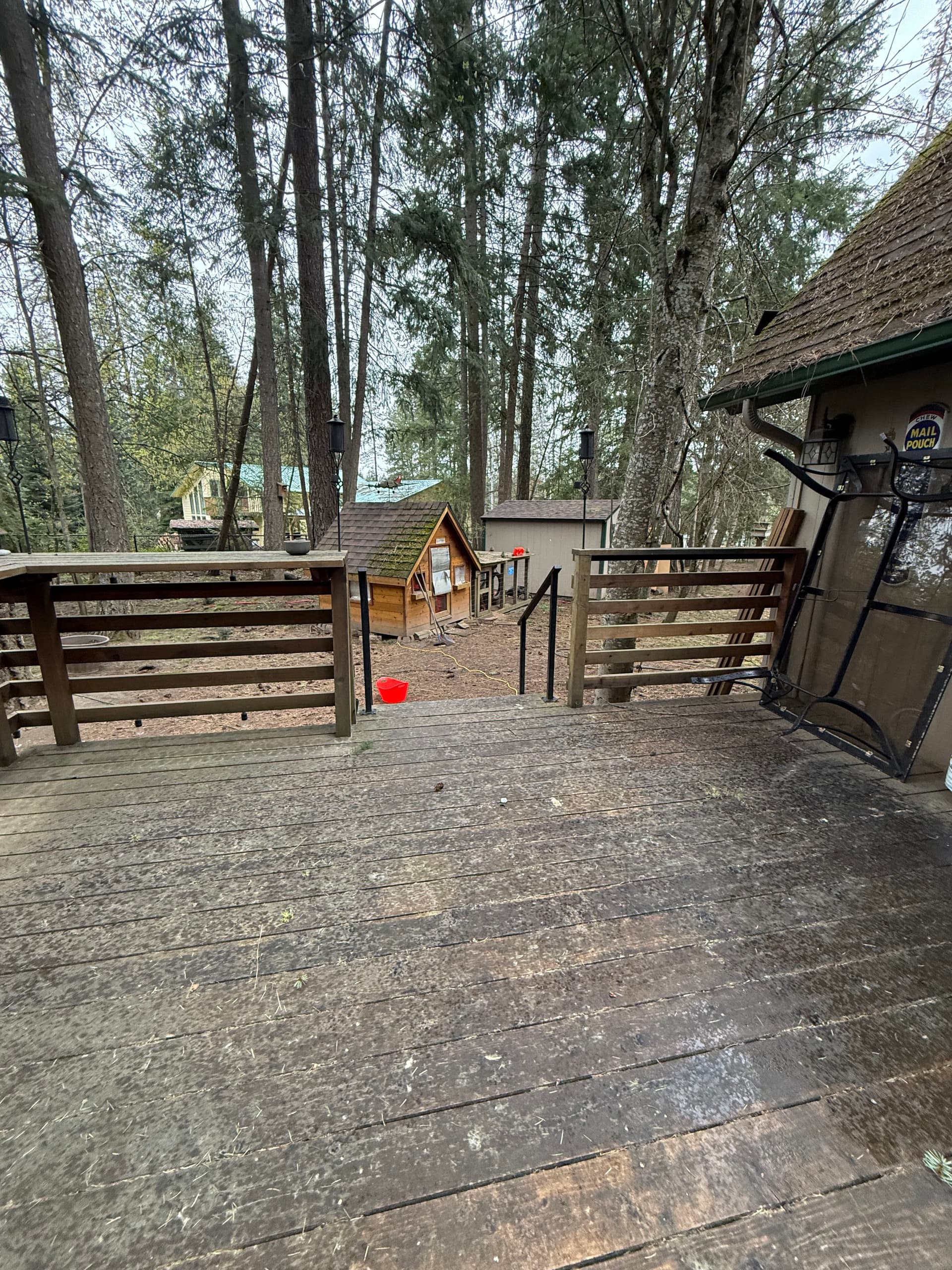
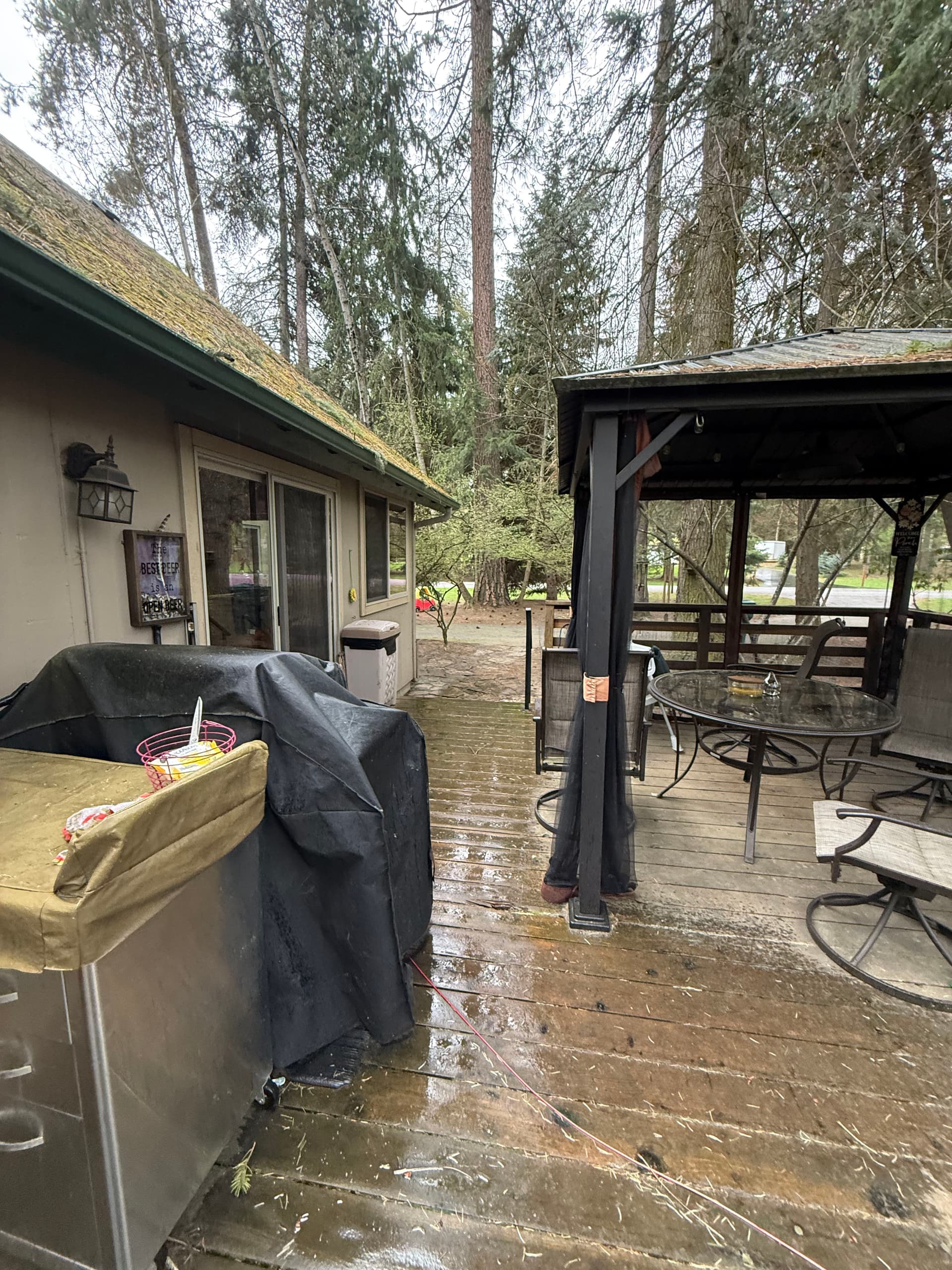
A lot of older decks look decent from a distance. But once you start walking on them and feel that soft, spongy give underfoot - you know something's off underneath. That's exactly what we were dealing with here. The surface boards and stairs had run their course, and it was time to pull everything off and start fresh.
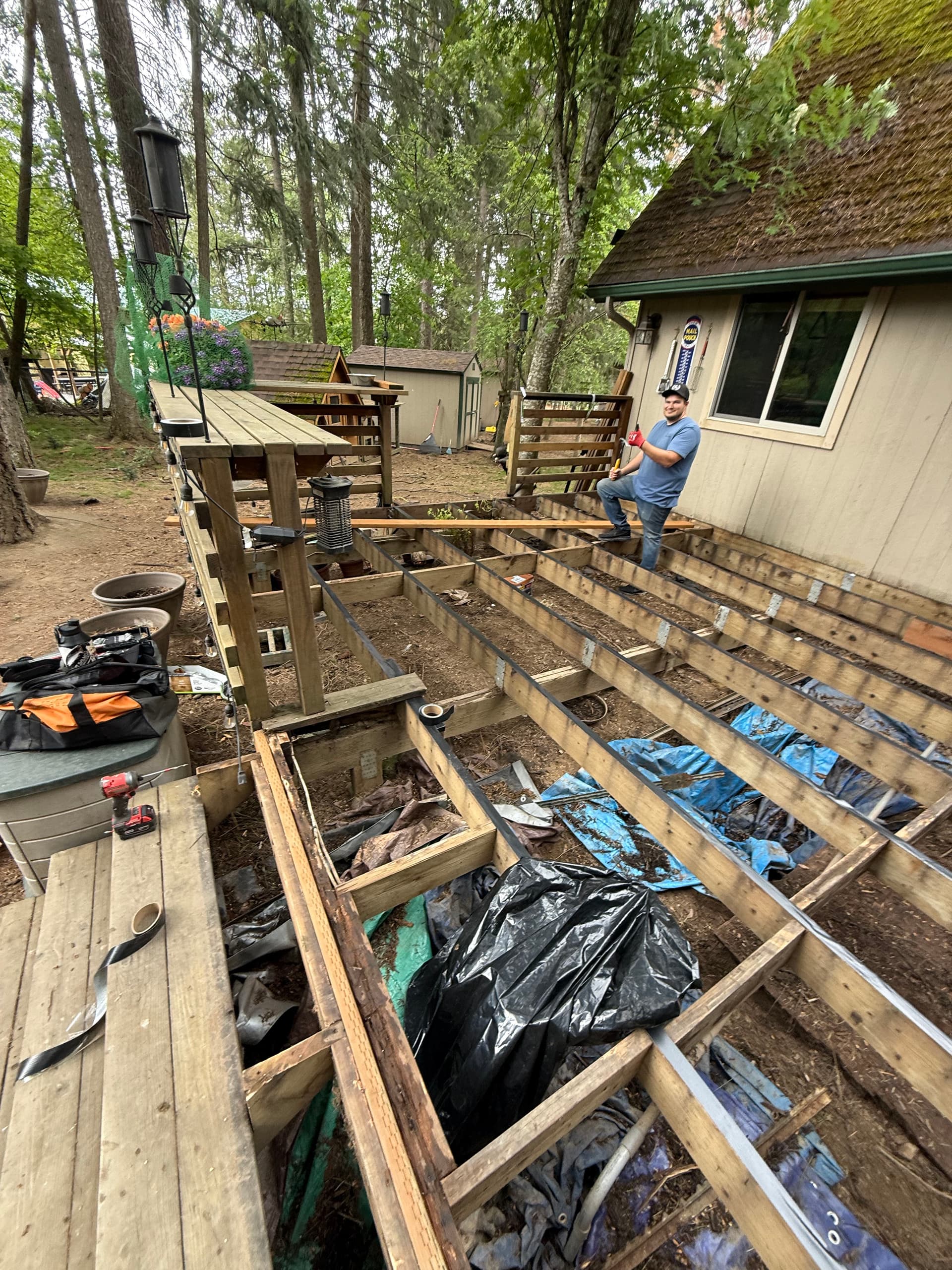
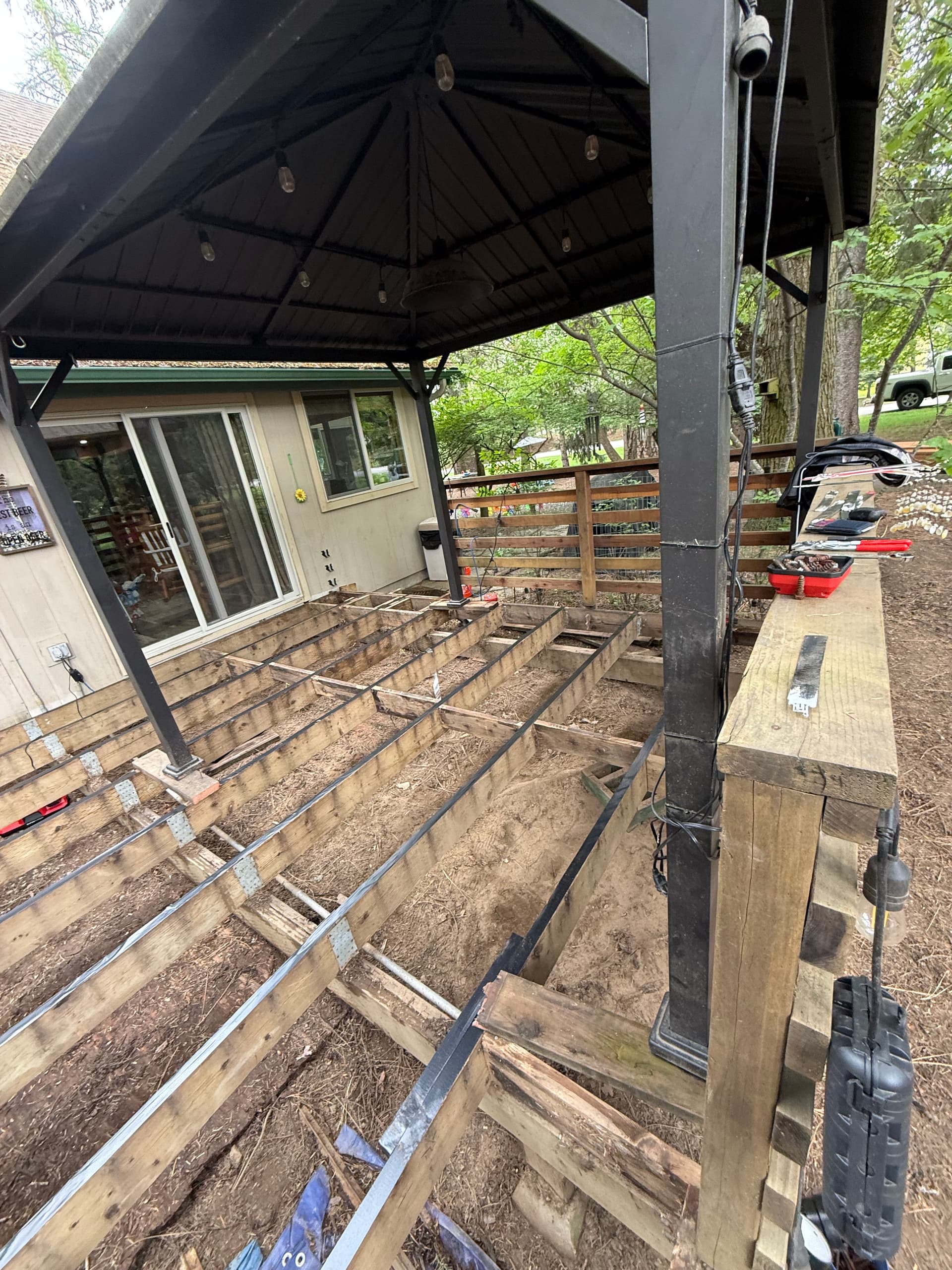
Once we stripped the old decking down to the framing, we could see the bones were still solid. That's actually pretty common. The joists and structural framing often hold up fine, but the decking boards themselves take the brunt of years of weather, foot traffic, and moisture. Rather than replace the whole structure, we focused where the real problems were - the surface and the stairs.
Before laying a single new board, we applied joist tape across the framing. It's a small step that most people never see, but it matters a lot. Anywhere a deck board sits on a joist, water can get trapped in that contact point and start breaking down the wood over time. The tape creates a barrier that protects the framing from that slow moisture damage - which is what keeps a deck solid for the long haul instead of just a few years.
From there, we rebuilt the stairs and installed all the new decking the homeowner had selected. The finished surface is tight, level, and ready for years of use. Wide, open, and set among the trees - it's the kind of space that's actually worth spending time on again.
If your deck is starting to feel worn down or the stairs are getting sketchy, it doesn't always mean you need a full tear-out and rebuild from scratch. Sometimes the framing is fine and you just need someone to do the surface work properly. That's where we come in.